
Best Lithium Kayak Battery
Compare lithium kayak battery setups for fish finders, forward-facing sonar, GPS, cameras, USB accessories, and trolling motor kayaks. Learn how to size lightweight kayak power for all-day fishing.
Recommended Lithium Kayak Battery Setup
14.8V 30Ah or 50Ah for fish finders, sonar, and electronics, plus 12V, 24V, or 36V LiFePO4 power for trolling motor-equipped kayaks.
View the SetupCategory
Read Time
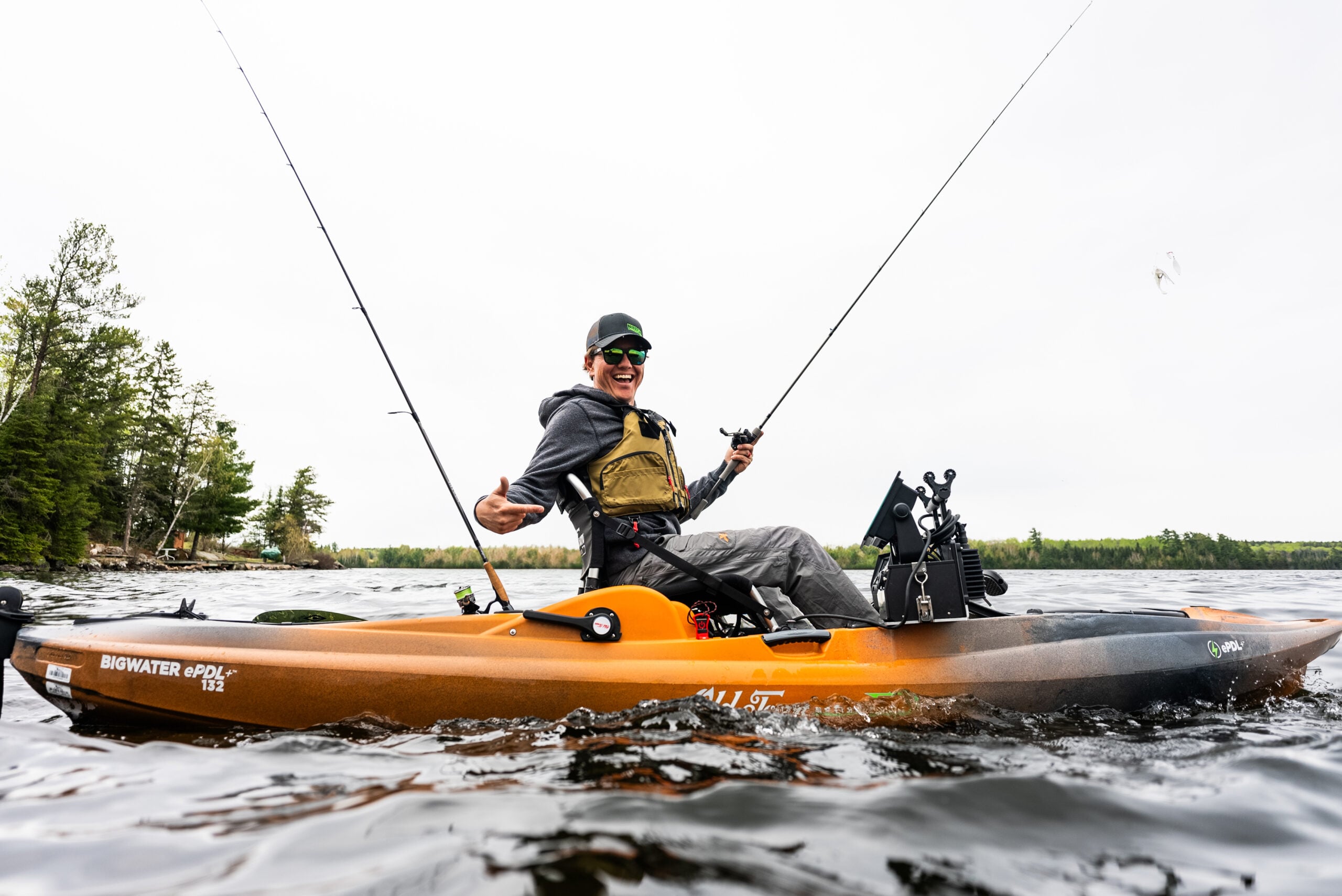
A lithium kayak battery has to deliver clean, stable power without adding unnecessary weight. It may run a fish finder, forward-facing sonar, GPS, phone, action camera, USB accessories, bait aerator, or a trolling motor. The right setup gives kayak anglers longer runtime, lighter handling, and better confidence every time they launch.
Quick Answer
What is the best lithium kayak battery?
The best lithium kayak battery depends on what you need to power. For most kayak anglers, a dedicated 14.8V 30Ah or 50Ah sonar battery is the right choice for fish finders and forward-facing sonar. For trolling motor kayaks, match a 12V, 24V, or 36V LiFePO4 battery to the motor voltage and desired runtime.
What Does a Lithium Kayak Battery Need to Power?
Most kayak anglers need lightweight lithium battery power for electronics, navigation, and accessories. The right setup depends on whether your kayak is paddle, pedal, or powered, and whether you are running a compact fish finder, large-screen forward-facing sonar, USB accessories, or a trolling motor.
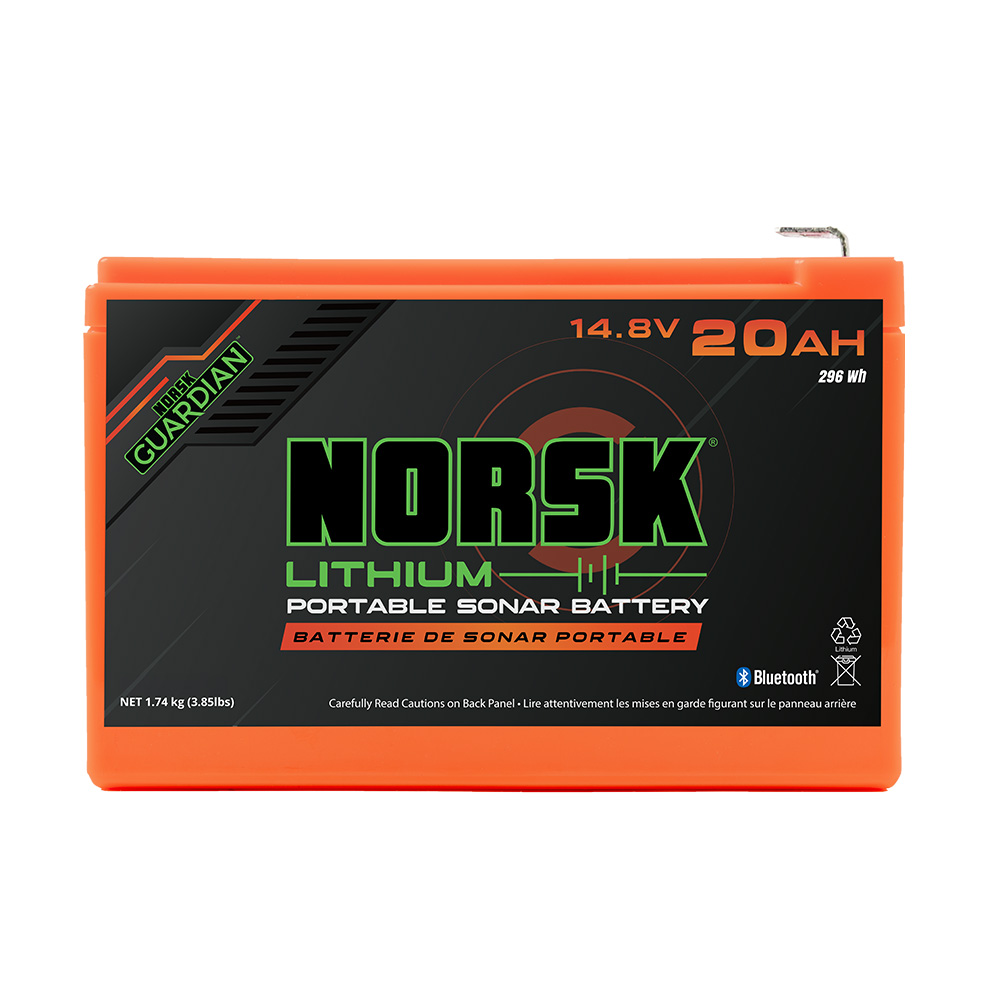
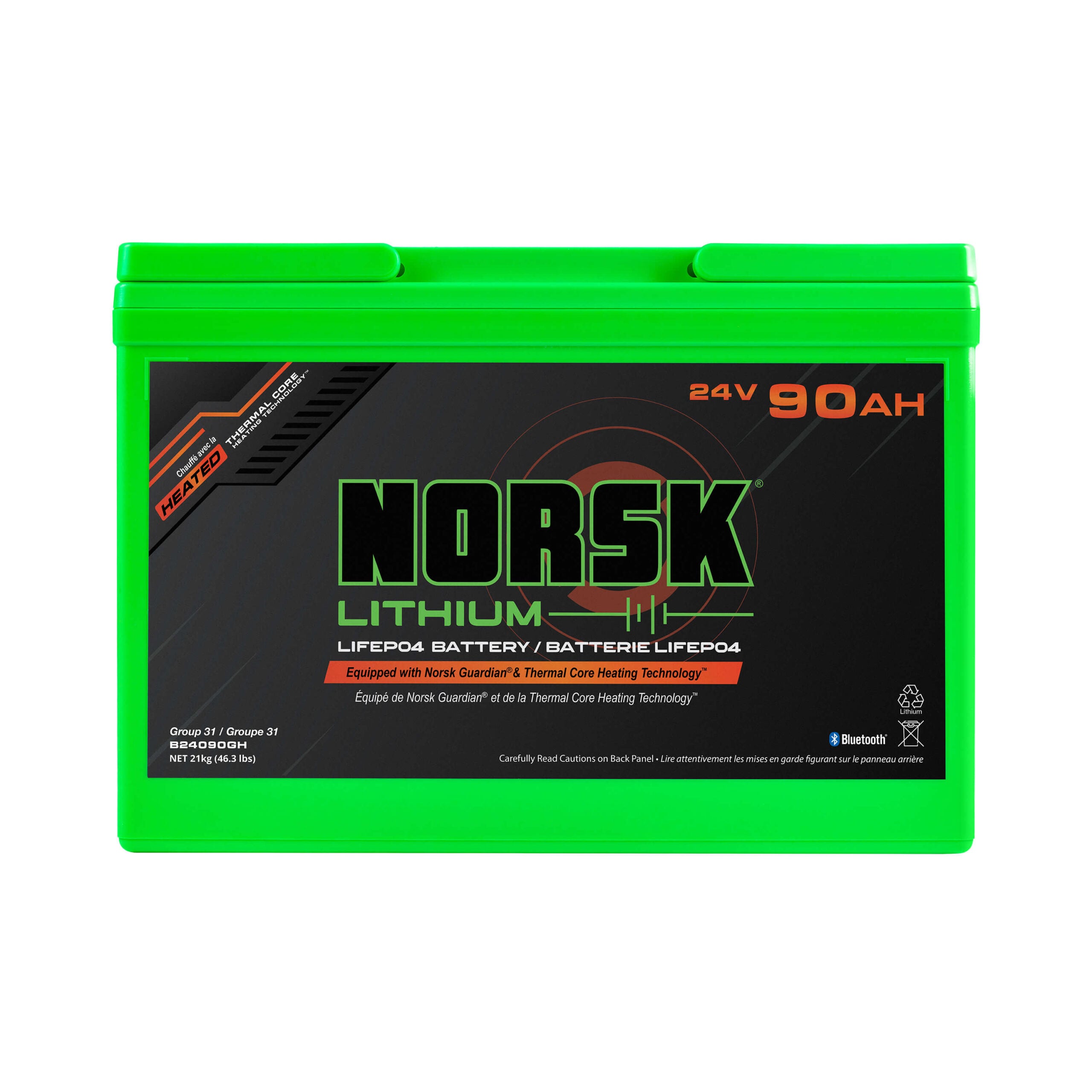
For electronics, Norsk 14.8V portable sonar batteries are built for fish finders, GPS, and live imaging systems. For trolling motor-equipped kayaks, 12V, 24V, and 36V LiFePO4 marine batteries help deliver efficient propulsion power without the weight penalty of traditional lead-acid batteries.
Common Mistake: Powering Everything From One Battery
A kayak fish finder, forward-facing sonar, USB accessories, and a trolling motor do not all behave the same way. Separating electronics power from propulsion power helps reduce voltage drops, protects sonar performance, and makes it easier to size your lithium kayak battery setup around real runtime needs.
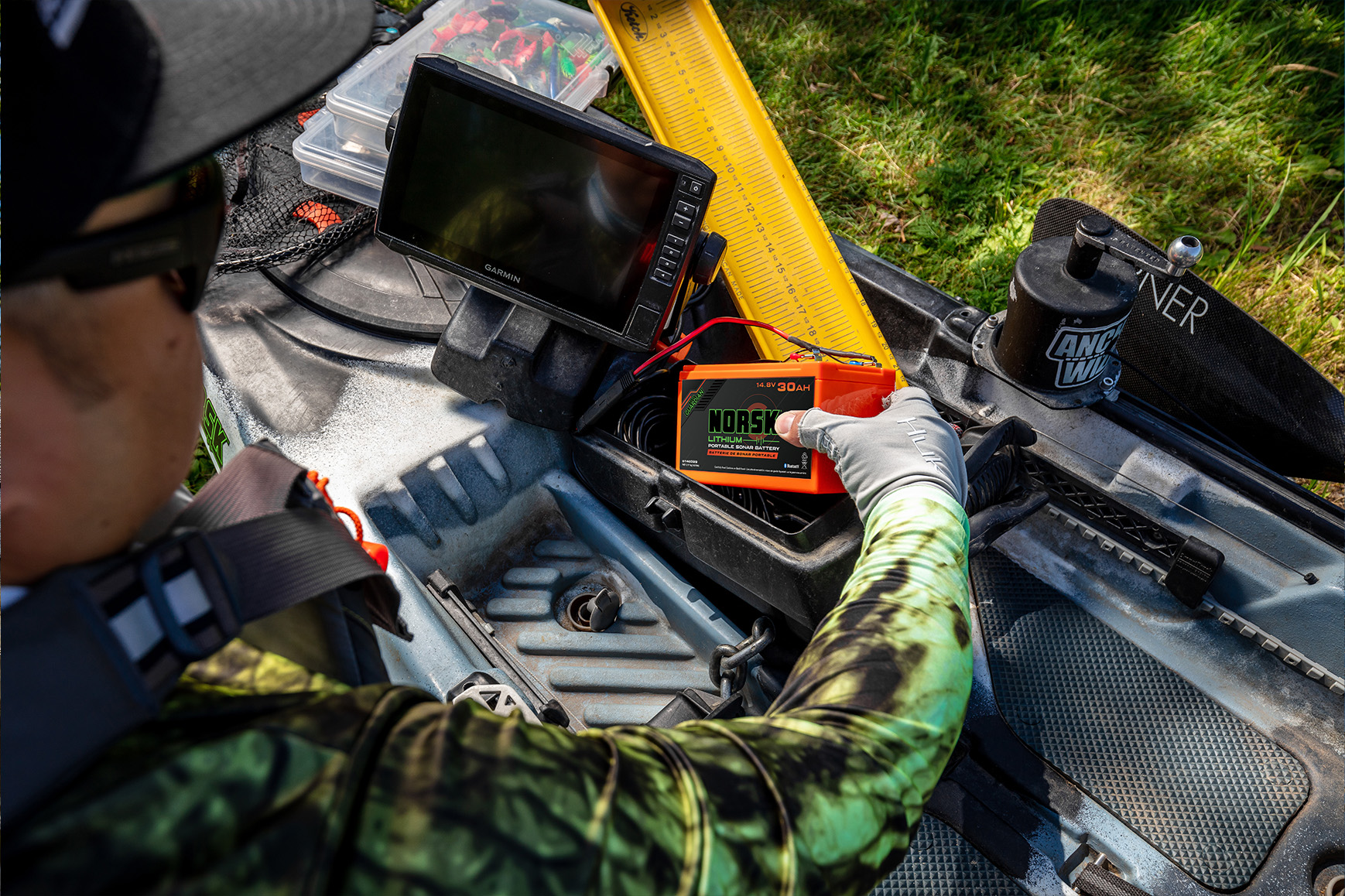
Recommended Lithium Kayak Battery Setups
Compact Fish Finder
14.8V 15Ah or 20Ah portable sonar battery for compact fish finders, short trips, and anglers who want the lightest lithium kayak battery setup.
All-Day Sonar
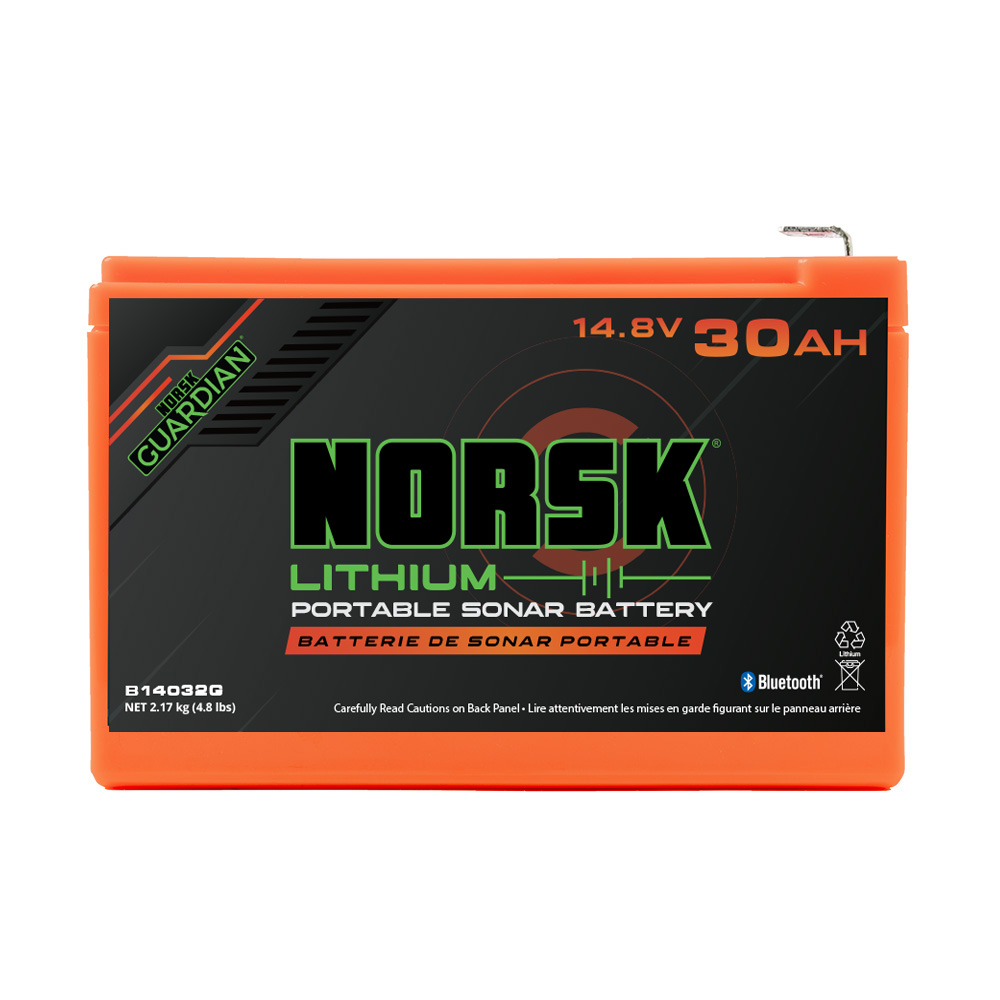
14.8V 30Ah portable sonar battery for larger screens, forward-facing sonar, and longer sessions where clean electronics power matters.
Maximum Runtime
14.8V 50Ah for heavy electronics demand, or matched 12V, 24V, or 36V LiFePO4 power for trolling motor kayaks.
Best Overall Lithium Kayak Battery Setup
For most kayak anglers, the best lithium kayak battery setup starts by separating electronics power from propulsion power. Use a dedicated 14.8V portable sonar battery for fish finders and live imaging, then choose a 12V, 24V, or 36V LiFePO4 battery based on your trolling motor voltage and runtime needs.
| System | Recommended Setup | Why It Matters |
|---|---|---|
| Compact Fish Finder | 14.8V 15Ah or 14.8V 20Ah | Lightweight power for smaller electronics, short trips, and anglers who want to keep kayak weight as low as possible. |
| Forward-Facing Sonar | 14.8V 30Ah Lithium-Ion Battery | Dedicated 14.8V output helps support live imaging and larger displays with clean, stable electronics power. |
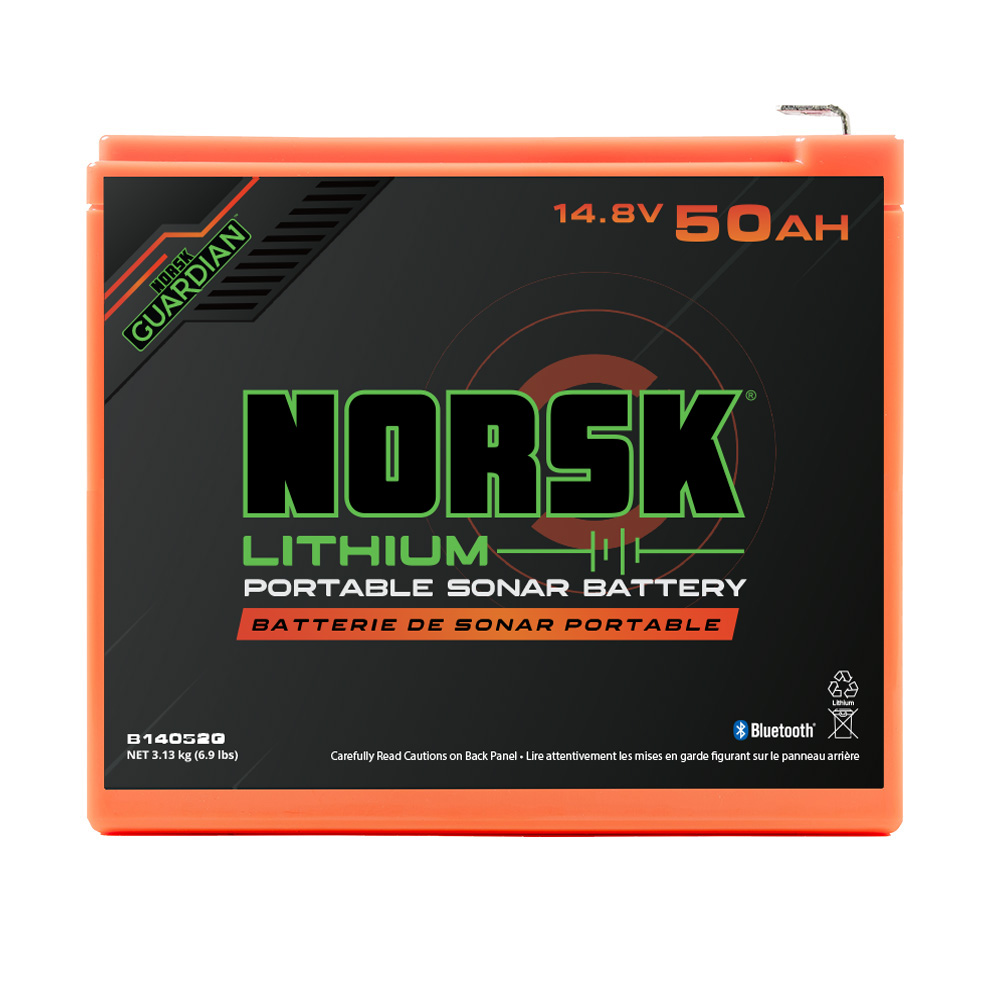
| Large Screens + Long Trips | 14.8V 50Ah Lithium-Ion Battery | More capacity for long days, higher electronics draw, USB accessories, and anglers who want maximum electronics runtime. |
| Trolling Motor Kayak | 12V, 24V, or 36V LiFePO4 Trolling Motor Battery | Match battery voltage to the trolling motor system for efficient propulsion without the weight of lead-acid batteries. |
| Phone, Camera, Aerator | 14.8V Gen 3 Batteries | USB-A and USB-C ports help power phones, cameras, and small accessories without adding another battery pack. |
Lighter Than Lead-Acid
Carry less battery weight in a kayak while keeping dependable usable power for long days on the water.
Cleaner Electronics Power
Dedicated sonar power helps support fish finders, GPS, and live imaging without sharing loads with propulsion.
Built Around Runtime
Choose 15Ah, 20Ah, 30Ah, or 50Ah for electronics, then match trolling motor voltage separately.
Lightweight Kayak Power
More Runtime. Less Weight. More Water Covered.
Replace lead-acid limitations with compact lithium kayak battery power for fish finders, forward-facing sonar, USB accessories, and trolling motor-equipped kayaks.
Shop Kayak BatteriesKey Features to Look For in a Lithium Kayak Battery
Correct Voltage for the Device
Choose 14.8V portable sonar batteries for electronics and match 12V, 24V, or 36V LiFePO4 batteries to trolling motors. Voltage should match the system you are powering.
Amp Hours and Runtime
Amp hours determine how long your electronics or trolling motor can run. Bigger screens, live imaging, and all-day fishing generally need more capacity.
Norsk Guardian App Monitoring
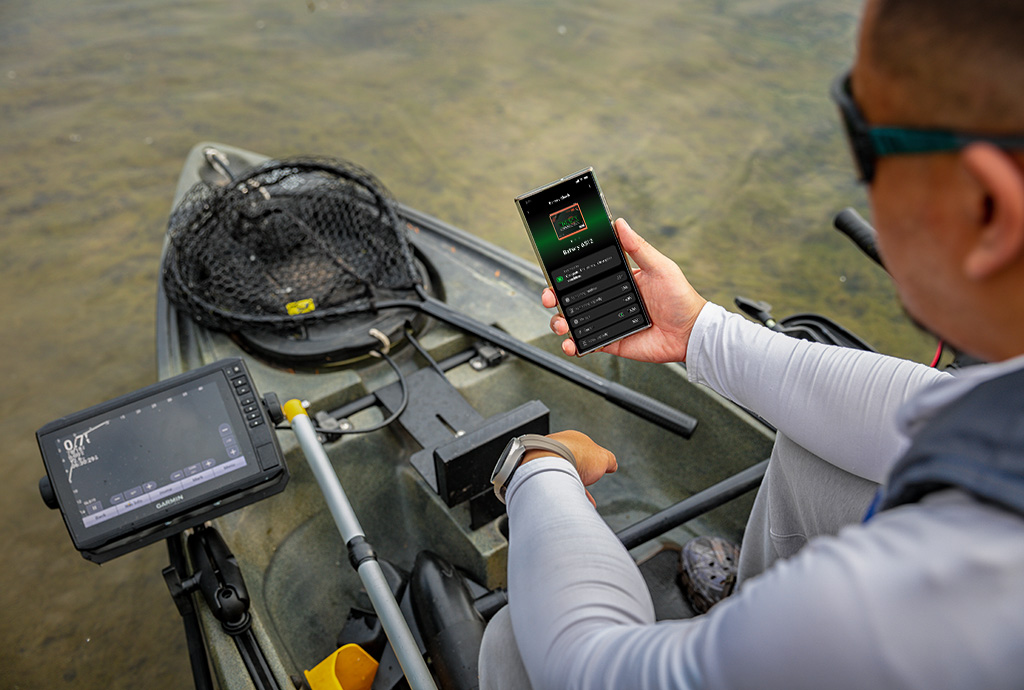
Bluetooth monitoring through the Norsk Guardian App helps you check battery status and manage supported features from your phone.
Deep Sleep Storage Protection
Deep Sleep helps disconnect battery output during short- or long-term storage, reducing phantom draw and helping preserve charge between trips.
Water-Ready USB Power
Select 14.8V Gen 3 batteries include IPX8-rated USB-A and USB-C ports, giving anglers a cleaner way to charge phones, cameras, and small accessories.
Lithium Kayak Battery FAQ
What is the best lithium battery for a kayak?
The best lithium kayak battery depends on the load. A 14.8V 30Ah or 50Ah battery is a strong choice for fish finders and forward-facing sonar. A trolling motor kayak should use a 12V, 24V, or 36V LiFePO4 battery that matches the motor voltage.
How many amp hours do I need for kayak electronics?
Smaller fish finders may be fine with 15Ah or 20Ah. Larger displays, forward-facing sonar, live imaging modules, and long days on the water often benefit from 30Ah or 50Ah.
Can I use one battery for sonar and a trolling motor?
It is usually cleaner to separate electronics power from trolling motor power. Dedicated electronics power helps reduce voltage drops and keeps sonar performance more consistent.
What battery do I need for a kayak trolling motor?
Match the battery voltage to your trolling motor: 12V, 24V, or 36V. Then choose amp hours based on motor draw, kayak weight, current, wind, and desired runtime.
Is a 14.8V lithium battery good for kayak fish finders?
Yes. Norsk 14.8V portable sonar batteries are built for fish finders, GPS, and live imaging electronics where clean, stable voltage and lightweight handling matter.
Are lithium batteries worth it for kayak fishing?
For kayak anglers running electronics or trolling motors, lithium batteries can be worth it because they reduce weight, deliver more usable runtime, and hold steadier voltage than traditional lead-acid batteries.
How should I store a kayak lithium battery?
Charge the battery according to the manual, disconnect loads, and use Deep Sleep where available to reduce phantom draw during storage.

Need help choosing?
HAVE MORE QUESTIONS?
Ask Odin for help finding the right Norsk Lithium kayak battery setup.
Build Your Lithium Kayak Battery Setup
Explore Norsk Lithium kayak batteries built for fish finders, forward-facing sonar, USB accessories, and trolling motor-equipped kayaks.
Find Your PowerSuperior Lithium Power for lightweight kayak setups.

Not Sure Which Battery Fits Your Kayak?
Select your electronics brand, model, accessories, and battery to quickly estimate runtime and compare the best power options for your setup.
Calculate Your Runtime →