
What Is a Lithium Battery?
A technical look at lithium chemistry, battery construction, charge and discharge behavior, and why lithium changed outdoor power.
Overview
Power. Durability. Lithium.
Lithium batteries power the technology people use every day, but their value is especially clear in outdoor power. Fish finders, live imaging electronics, trolling motors, kayaks, ice fishing systems, camping setups and portable power all benefit from batteries that are lighter, more efficient and more capable than traditional lead-acid options.
A lithium battery is not simply a lighter version of an old battery. It is an engineered energy system built around lithium ions, electrode materials, electrolyte movement and controlled charge and discharge behavior.
The better question is not only what is a lithium battery? It is why does lithium perform so differently in real-world outdoor power systems?
The Quick Takeaway
A lithium battery stores and releases energy by moving lithium ions between two electrodes. That movement helps lithium batteries deliver high usable capacity, stable power, lighter weight, and longer life compared with traditional lead-acid batteries.
Lithium Started a Power Revolution
Wait, what? Why lithium? What is a lithium battery, and why is it included in what sounds like an ad for a heavy-duty pickup truck? Because lithium chemistry is starting a technological revolution.
Opportunities that were inconceivable a generation ago are a reality today. Unfortunately, we are not talking about hoverboards.
But because of what lithium offers, entire industries are being reshaped, including automotive technology, cell phones and the great outdoors.
If lithium were taken out of the equation, advances in live imaging and 360-degree sonar used in ice fishing electronics, among other industries, would collapse.
In outdoor power, the impact is easy to see. Modern sonar, trolling motors, ice fishing setups and mobile power systems all depend on batteries that can deliver dependable energy without the bulk and limitations of lead-acid.

Image credit: Universal Pictures
Power. Durability. Lithium.
Lithium matters because it gives outdoor power systems more usable energy, less weight, and more confidence in the field, on the ice, or on the water.
What Is a Lithium Battery Made Of?
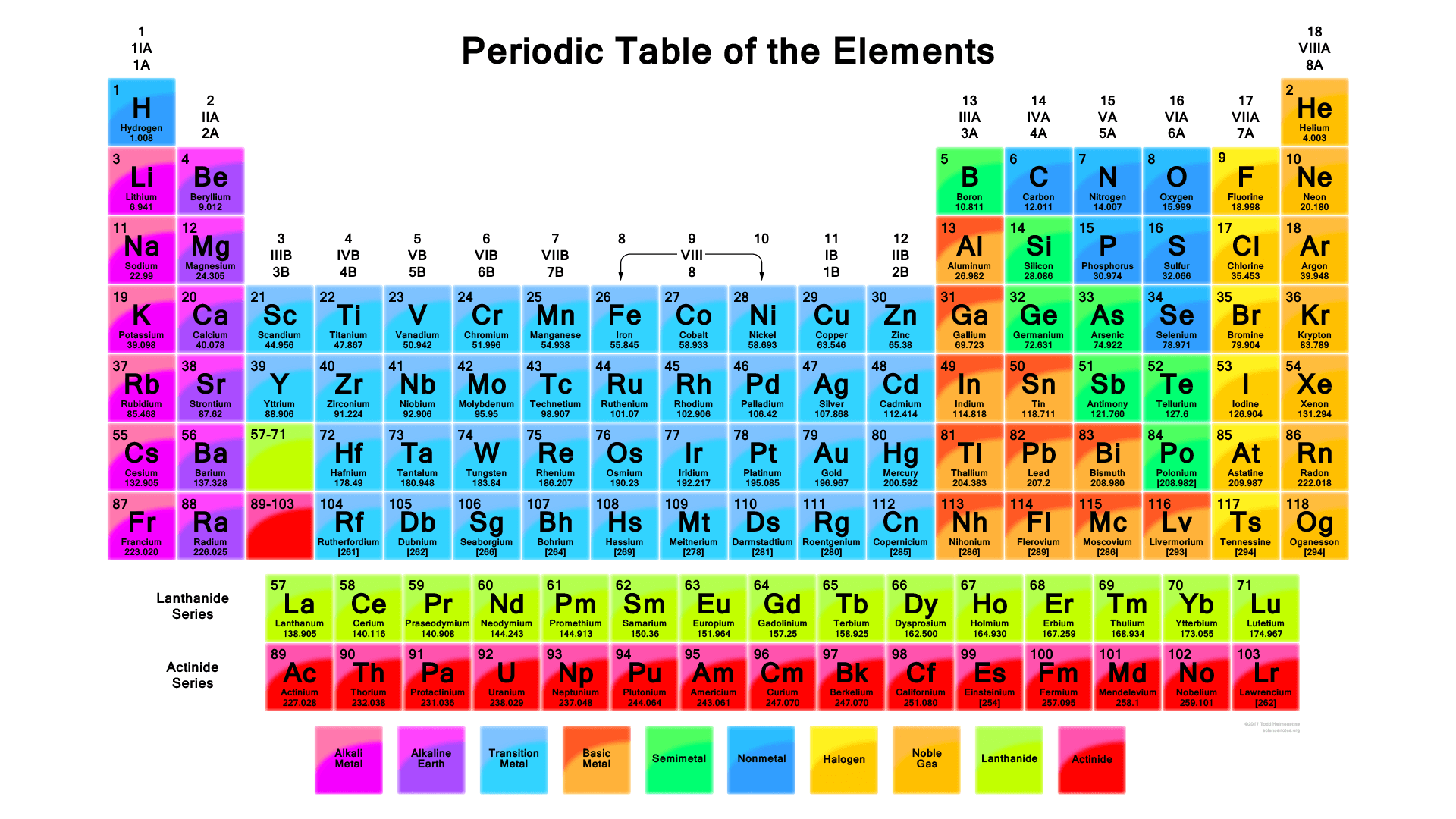
Has it been a minute since you used the periodic table? Remember this chart from your high school science class?
Dust off your old chemistry books, or read more about atoms and the building blocks of matter, and you will find that atoms are made up of protons, neutrons and electrons.
If you look near the top-left corner of the periodic table, you will find Li. That is lithium. Its atomic number is three, which means a lithium atom has three protons in its nucleus.
Lithium is the lightest known metal. It is used for many different purposes, from manufacturing aircraft and medical applications to the batteries that power fish finders and other outdoor electronics.
A lithium battery is built around four key components: the cathode, anode, electrolyte and separator. Positive and negative current collectors help move electrical energy from the cell into the device or system being powered.
Samsung SDI explains that the cathode is a major factor in determining battery capacity and voltage. The anode stores lithium during charging, the electrolyte carries lithium ions through the cell and the separator keeps the electrodes from making direct contact while still allowing ion movement.
A battery is chemistry, construction, and control.
The cell materials matter, but the complete battery also depends on the battery management system, case design, terminals, indicators, app features, and application fit.
How Does a Lithium Battery Work?
A lithium battery generates electricity through chemical reactions involving lithium. The anode and cathode store lithium, while the electrolyte carries positively charged lithium ions between the two electrodes through the separator.
During discharge, lithium ions move through the electrolyte and separator while electrons move through the external circuit. That electron flow is what powers a fish finder, trolling motor, light, phone or other connected device.
During charging, the process reverses. Lithium ions move back toward the anode so the battery can store energy again. Samsung SDI provides a useful technical explanation of how lithium ions pass through the separator during this process.
This repeatable movement of ions inside the cell and electrons through the external circuit is the foundation of lithium battery charging and discharging.
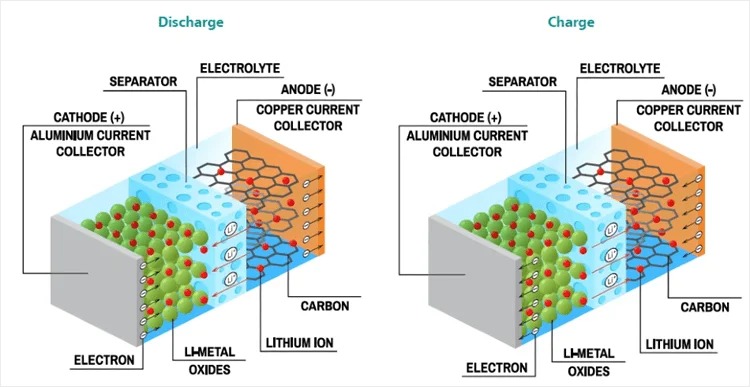
Image credit: Metrohm AG
Anode and Cathode
Battery materials store lithium and create the conditions for energy transfer.
Electrolyte and Separator
Lithium ions move through the electrolyte while the separator keeps the electrodes apart.
External Circuit
Electron flow through the circuit powers electronics, motors, lights, and accessories.
Charging reverses the movement. Discharging powers the load.
That repeatable ion movement is one of the reasons lithium batteries can deliver dependable output over many cycles.
What Is a Lithium Battery’s Extended Family?
There is more than one type of lithium battery. Each chemistry balances different priorities, including energy density, weight, cycle life, output, cost, thermal behavior and application fit.
None of these chemistries is perfect, but there are ideal compositions for particular applications. Battery University provides a detailed overview of common lithium-ion chemistries.
For outdoor power, the most relevant discussion is often lithium iron phosphate, or LiFePO4, compared with other lithium-ion chemistries used when compact size and low weight are the priority.
Lithium Iron Phosphate balances long cycle life, stable output and durable deep-cycle performance for trolling motors, marine house power, golf carts and larger outdoor systems.
Lithium Titanate is known for fast charging, long cycle life and strong low-temperature performance, with lower energy density than many other lithium chemistries.
Lithium Nickel Manganese Cobalt Oxide combines useful energy density and power capability for applications where compact size and lower weight matter.
Lithium Cobalt Oxide offers high energy density and is commonly associated with compact consumer electronics.
Lithium Manganese Oxide is designed around a different balance of power, thermal behavior, service life and cost.
Lithium Nickel Cobalt Aluminum Oxide provides high specific energy for applications that prioritize energy storage relative to weight.
Lithium-ion is the broader rechargeable battery family. Norsk portable sonar batteries use an NMC lithium-ion chemistry when low weight, compact size and portability are especially important.
No chemistry is perfect. The correct chemistry depends on the job.
The battery that belongs in a portable sonar shuttle is not always the same battery that belongs behind a trolling motor or in a marine deep-cycle system.
Chemistry Match
LiFePO4 vs. Li-ion: Different Strengths for Different Power Needs
LiFePO4 is a strong fit for equipment that needs deep-cycle power and long runtime, such as trolling motors, golf carts and other systems that move you. Compared with some higher-energy-density lithium-ion chemistries, LiFePO4 can require more mass for the same amount of stored energy, but it is valued for durable outdoor power.
NMC lithium-ion shines when portability matters. Norsk Lithium’s 14.8V 30Ah portable sonar battery weighs approximately 4.85 pounds while delivering power for live imaging and forward-facing sonar systems.
The point is simple: lithium is not one-size-fits-all. The chemistry should match the way the battery is actually used.
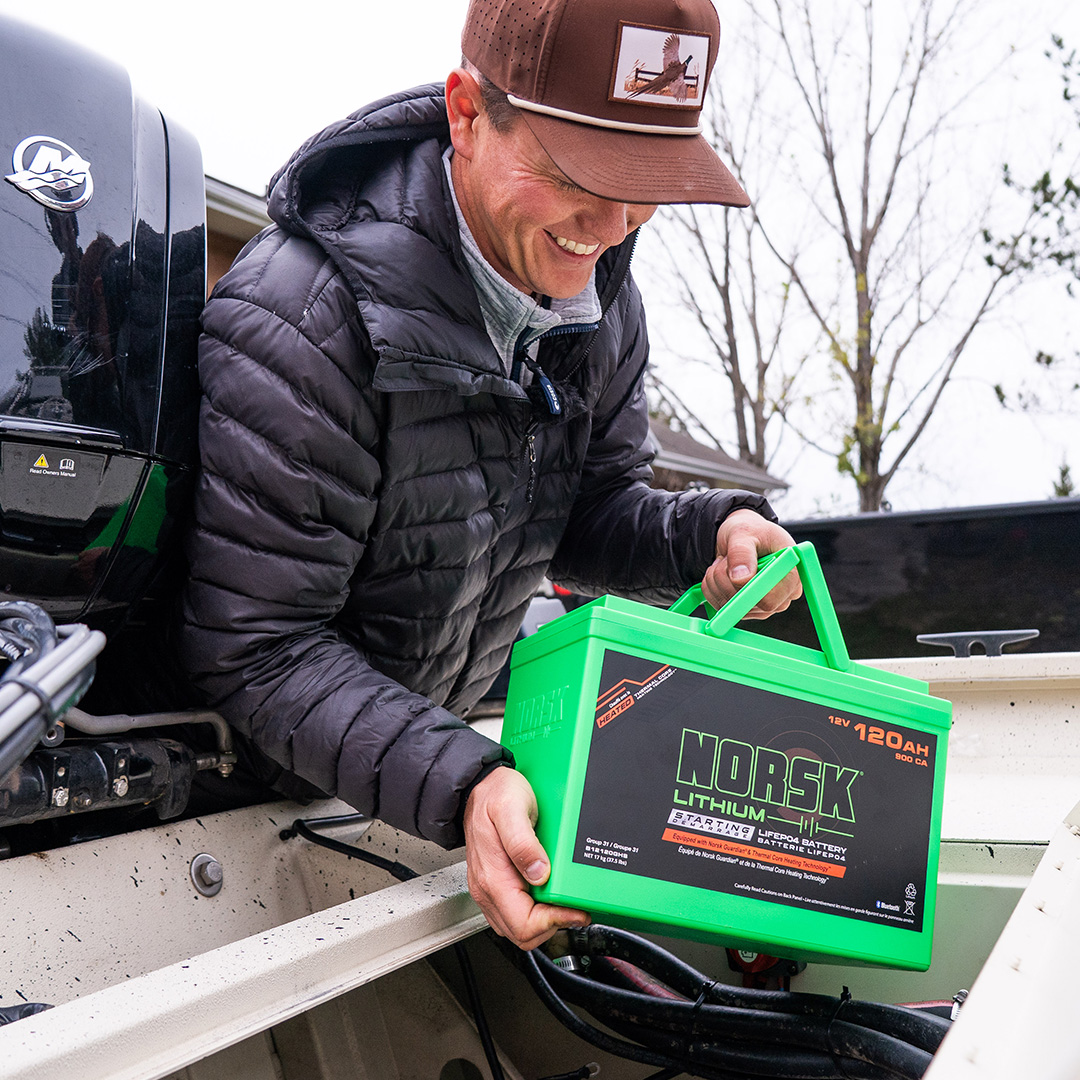
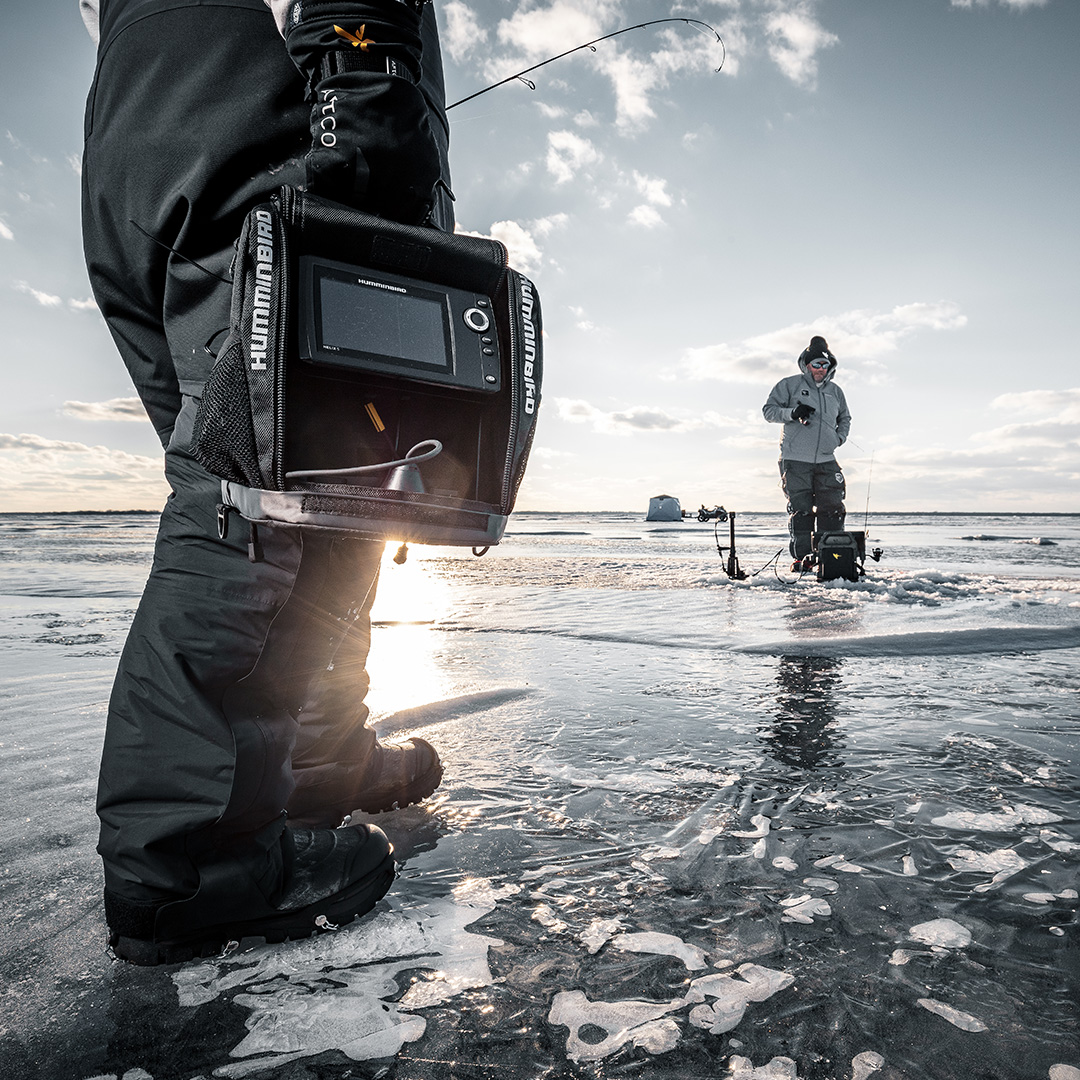
Portable power matters. Lithium gives outdoor users more usable power without carrying unnecessary weight.
What Is a Lithium Battery’s Advantage Over a Lead-Acid Battery?
The two most prominent players in outdoor battery power are lithium and lead-acid.
Lead-acid has been the familiar choice for many years. These batteries start cars, run trolling motors and power other equipment, but they have significant limitations for modern electronics, portable sonar, ice fishing and other smart outdoor systems.
Lead-acid batteries can appear to have two advantages: familiarity and a lower initial price. Both can be misleading. Lithium changes the long-term comparison through usable capacity, weight savings, runtime and lifespan.
Lead-acid batteries are generally not meant to be discharged below 50%. Norsk Lithium batteries are positioned around deeper usable capacity for outdoor power.
A comparable lead-acid battery can weigh dramatically more than a lithium option, which matters when you are hauling gear, rigging a boat, or moving across ice.
Lithium can power the same electronics longer because more of the stored energy is practically usable.
Lead-acid batteries used in demanding outdoor setups may need replacement sooner, while lithium batteries are built for many more cycles when properly used.
What Is a Lithium Battery’s Depth of Discharge Compared to Lead-Acid?
Lead-acid batteries are generally not intended to be discharged below roughly 50% on a regular basis. Repeatedly using more of their stored capacity can shorten service life or cause permanent damage.
Norsk Lithium batteries are engineered to provide much deeper usable capacity. Lithium also maintains steadier voltage through more of the discharge cycle, so the power available near the end of a charge is more consistent than the slow decline users often experience with lead-acid.
What Is the Weight of Lithium Batteries Compared to Lead-Acid?
Hauling a lead-acid battery can feel like an Olympic event. A Group 31 lead-acid battery can approach 60 to 80 pounds, while a comparable lithium battery can weigh dramatically less. That difference matters when loading gear, rigging a boat or moving equipment across the ice.
What Is a Lithium Battery’s Runtime Compared to Lead-Acid?
There is no way to determine exact runtime without knowing the battery capacity and how much current the connected equipment draws. However, lithium can power the same electronics longer because more of the stored energy is practically usable and the voltage remains more consistent through the discharge cycle.
What Is a Lithium Battery’s Lifespan Compared to Lead-Acid?
This is where the long-term cost comparison catches up with lead-acid. A lead-acid battery used in a demanding trolling motor or outdoor setup may need replacement after only a few seasons. Properly used lithium batteries are built to deliver thousands of charge cycles.
You did not invest in fish-finding electronics, trolling motors and other outdoor equipment to accept unreliable performance or shortened battery life. Half the fun of fishing is getting ready for it, and you should not feel apprehensive when preparing for a weekend on the ice or a long day on the water.
Lead-acid may look cheaper on day one. Lithium is built for the long game.
For anglers, boaters, campers, and ice fishing users, the real comparison is not just price. It is confidence, runtime, weight, lifespan, and usable power.
How Norsk Lithium Leverages Technology
A battery should do more than simply store energy. Norsk Lithium batteries are engineered as complete power platforms that help protect equipment, manage charging, preserve stored power and give users greater visibility into their battery systems.
Feature availability varies by model. Starting batteries include technologies developed for engine starting and electrical protection, while heated, Bluetooth-enabled and portable sonar batteries offer specialized features for their intended applications.
Voltage Transient Suppression
Helps absorb and suppress potentially harmful voltage spikes to protect the outboard charging system and connected marine electronics. Learn More >
Thermal-Core Heating Technology™
Automatically redirects charger current to internal heaters, safely warming the cells before cold-weather charging begins. Learn More >
Shutdown Mode Protection
Keeps the battery in a controlled low-power state that minimizes parasitic draw and isolates output during shipping and storage. Learn More >
Emergency Start Reserve
Starting batteries protect 25% of their capacity so critical engine-starting power remains available when it is needed. Learn More >
Deep Sleep™
Electronically disconnects terminal output to eliminate phantom current draw and help preserve battery power during storage. Learn More >
Norsk Guardian® App
View charge level, voltage, current, temperature, battery health, and runtime while controlling supported features from your phone. Learn More >
Dual IPX8 Waterproof USB Ports
Waterproof USB-A and USB-C ports let you directly power phones, cameras, lights, and other accessories in wet outdoor conditions. Learn More >
Battery Management Button & Meter
Check the battery’s remaining state of charge at a glance so you can manage power without guessing in the middle of a trip. Learn More >
Modern outdoor power should do more than simply hold a charge.
Smart battery features help turn a battery from a simple power source into a more useful part of the complete outdoor system.
The Bottom Line
Lithium technology is revolutionizing outdoor power. Norsk Lithium batteries provide the energy anglers, boaters, campers and ice fishing users need to enjoy the outdoors more fully.
With all that lithium technology offers, no one needs to remain dependent on old, heavy, inefficient and unreliable battery power. Your time outdoors is too valuable to be squandered with a dead lead-acid battery.
That is why talking about lithium batteries can sound like talking about a heavy-duty pickup truck. Lithium provides the power, durability and reliability needed to transform the outdoor experience.
Norsk Lithium helps eliminate the apprehension that comes from wondering whether a battery will deliver enough power to get through a long day on the ice or on the water. No one wants the lights to go out just before the prime-time walleye bite at sunset.
From preparation to expedition, Norsk Lithium powers your passion with reliable energy so you do not miss a moment of the adventure.
The move to lithium can still feel intimidating. That is why Norsk Lithium backs its batteries with warranties and customer support. You can contact Norsk Lithium for help choosing the right power system, even before making a purchase.
Do not waste more precious outdoor time. Let Norsk Lithium power the adventure.
Lithium is not just a battery upgrade. It is a system upgrade.
Lithium Battery FAQ
What is a lithium battery?
A lithium battery is a rechargeable battery that stores and releases energy through the movement of lithium ions between electrode materials inside the cell.
What are the four main parts of a lithium battery?
The four main components are the cathode, anode, electrolyte, and separator. Current collectors then help move power from the cell to the device or system.
How does a lithium battery work?
During discharge, lithium ions move through the electrolyte while electrons move through the external circuit to power a device. During charging, the movement reverses.
What is LiFePO4?
LiFePO4 stands for lithium iron phosphate. It is a lithium chemistry commonly used for durable deep-cycle outdoor and marine power applications.
Why choose lithium instead of lead-acid?
Lithium batteries are typically lighter, provide more usable capacity, hold power more consistently, and offer longer cycle life than traditional lead-acid batteries.
Where can I compare lead-acid and lithium batteries?
You can read Norsk Lithium’s lead-acid vs. lithium comparison.
Explore Lithium Power
Shop Norsk Lithium batteries built for marine power, ice fishing, kayaking, camping, electronics, and modern outdoor systems.