
Best Lithium RV Battery Setup
Compare lithium RV battery setups for campers, travel trailers, vanlife, overland rigs, and boondocking. Learn how to size quiet off-grid power for lights, refrigerators, water pumps, fans, electronics, inverter loads, solar charging, and shore-power backup.
Recommended Lithium RV Setup
Start with 120Ah for weekend RV house power, step up to 240Ah for extended off-grid camping, and choose 480Ah when you need serious boondocking capacity and inverter support.
View the SetupCategory
Read Time
A lithium RV battery setup is one of the biggest upgrades you can make to a camper, travel trailer, van build, overland rig, or off-grid cabin system. The right setup gives you more usable runtime for refrigeration, lighting, water pumps, fans, device charging, communications, outlets, and inverter loads while reducing battery weight, improving charging efficiency, and making it easier to monitor power away from hookups.
Quick Answer
What is the best lithium RV battery setup?
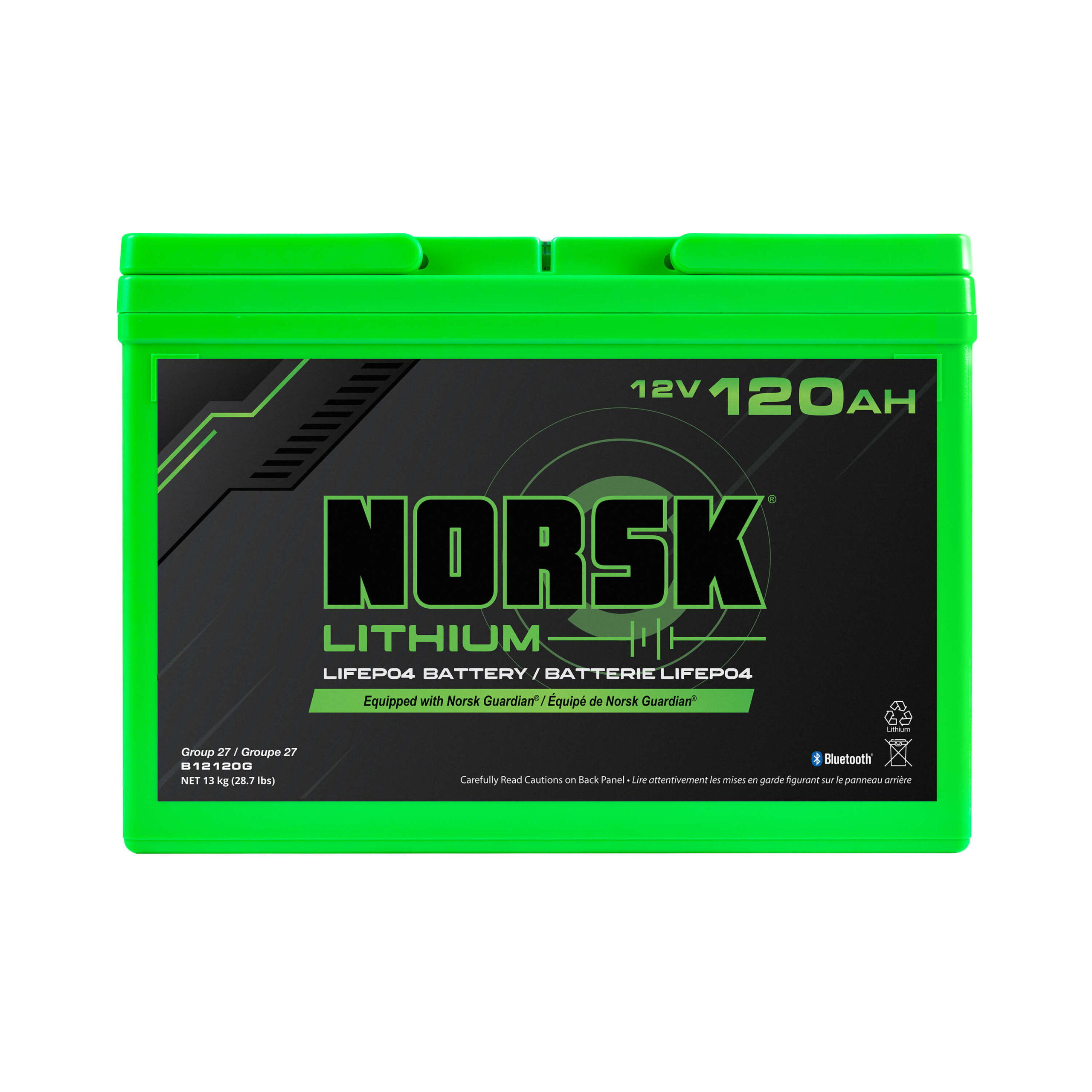
For a basic RV or weekend camper, start with a 12V 120Ah LiFePO4 lithium RV battery. For longer off-grid trips, solar-supported camping, and moderate inverter use, a 240Ah RV power package is a stronger fit. For boondocking, heavy daily loads, and larger inverter-based appliances, step up to a 480Ah off-grid power package. Final sizing should be based on your daily amp-hour use, inverter draw, charging sources, and how many days you want to camp without hookups.
What Size Lithium RV Battery Do I Need?
Most lithium RV battery setups need dependable 12V house power for LED lighting, refrigerators, water pumps, fans, device charging, communications, control boards, and onboard electronics. Many modern RVs also use an inverter to support AC outlets, microwaves, coffee makers, TVs, CPAP machines, induction cooktops, or other higher-draw appliances.
The right lithium RV battery size depends on your daily amp-hour use, how long you camp away from shore power, whether you run an inverter, how much solar, shore-power, or alternator charging you have, and how much reserve capacity you want between charging cycles.
Common Mistake: Sizing by Amp Hours Alone
A lithium RV battery setup should be sized around the loads you actually run. A fridge, water pump, lights, fans, electronics, CPAP machine, inverter outlets, microwave, coffee maker, and solar charging plan can all change the right answer. Start with your daily amp-hour use and inverter draw, then choose the lithium package that gives you enough reserve capacity between charging cycles.
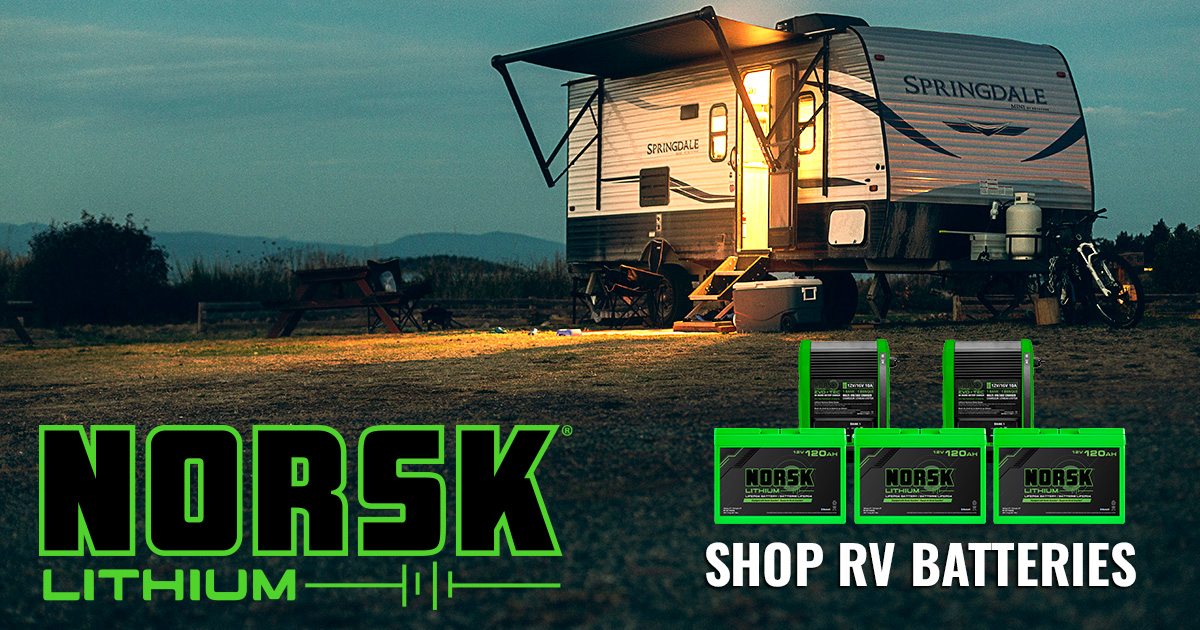
Recommended Lithium RV Battery Setups
Weekend Camper
One 12V 120Ah LiFePO4 lithium RV battery for lights, refrigerator, water pump, fans, and everyday 12V house loads.
Essential RV Power
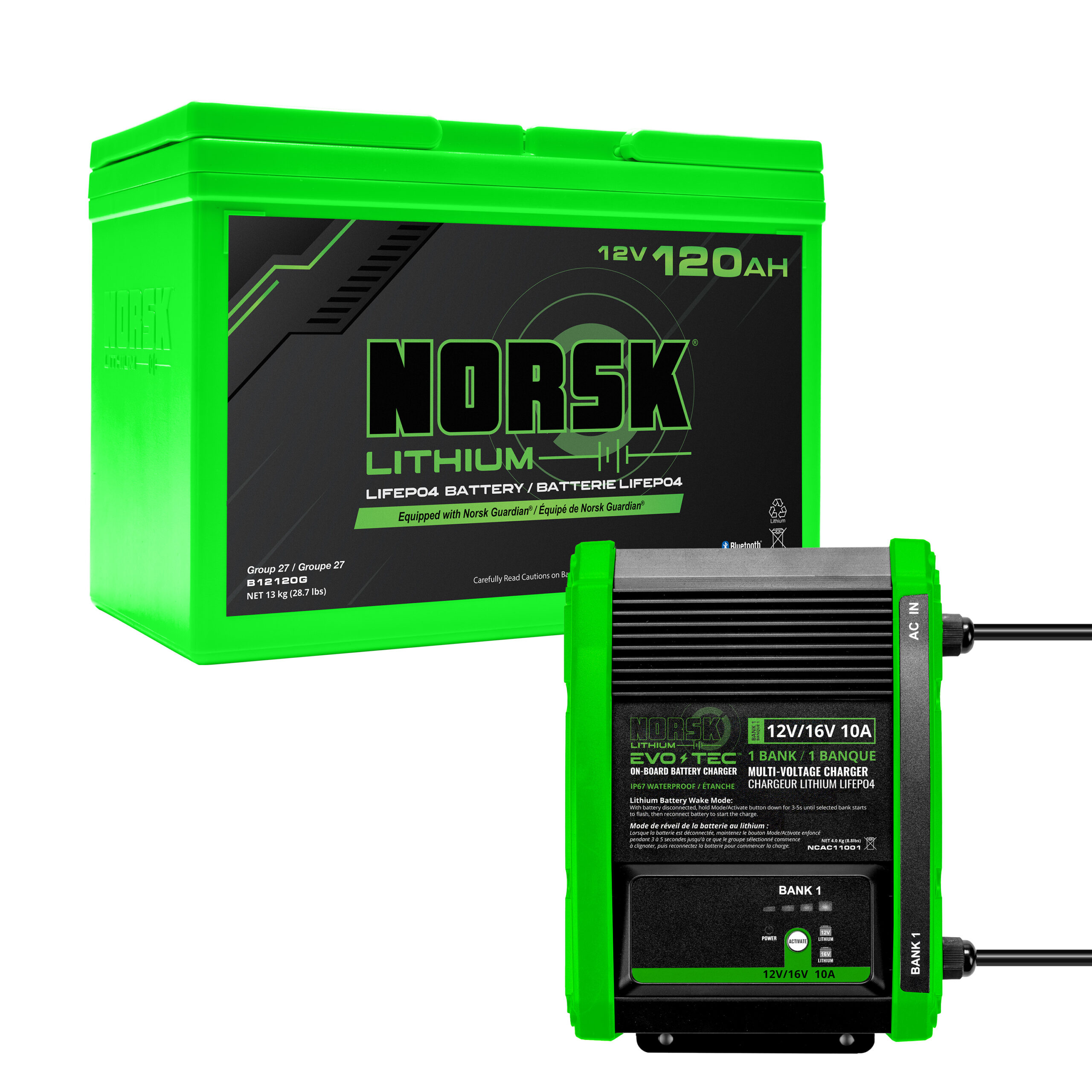
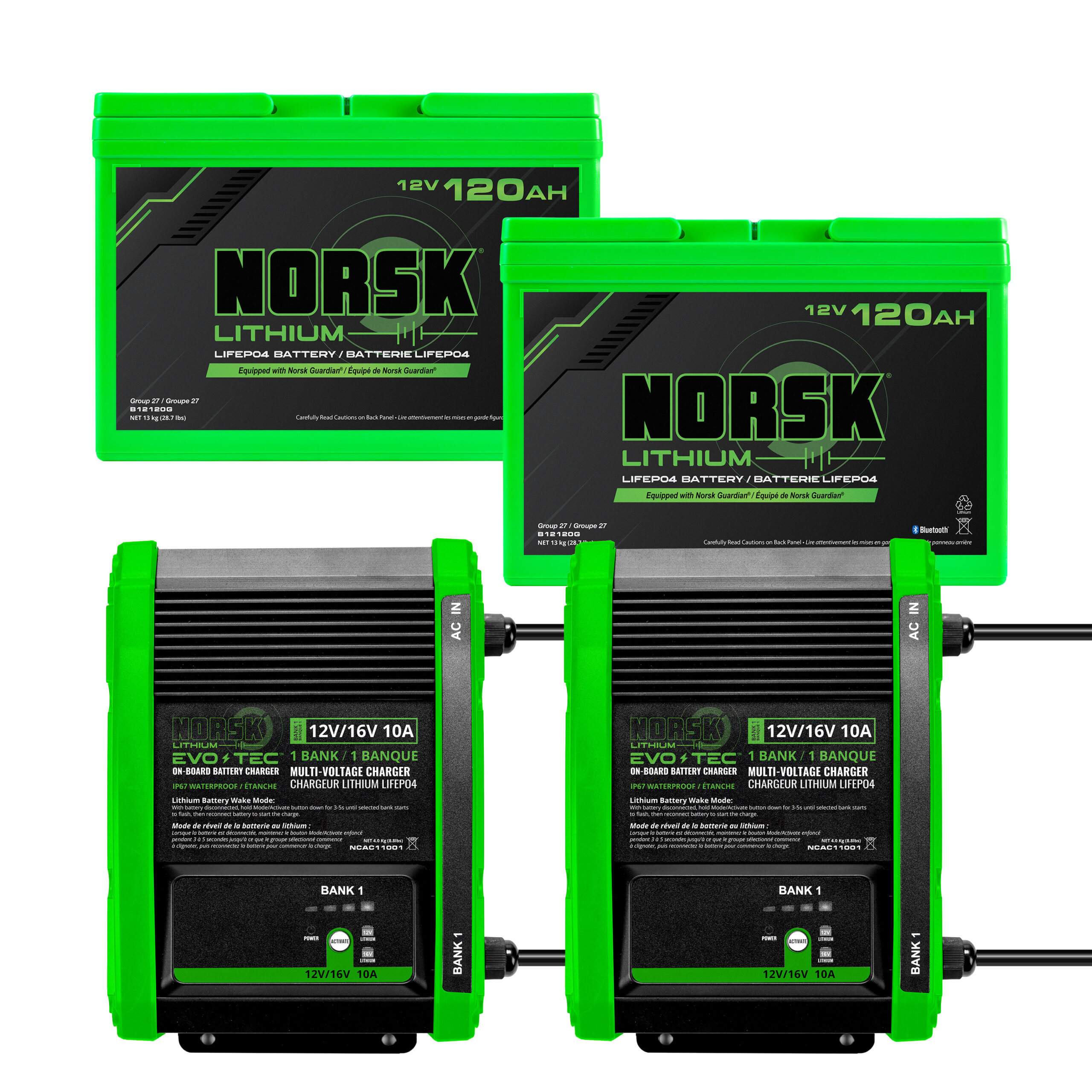
120Ah battery plus matched charging for a clean lithium RV battery upgrade with better runtime, faster charging, and simpler installation.
Extended Off-Grid
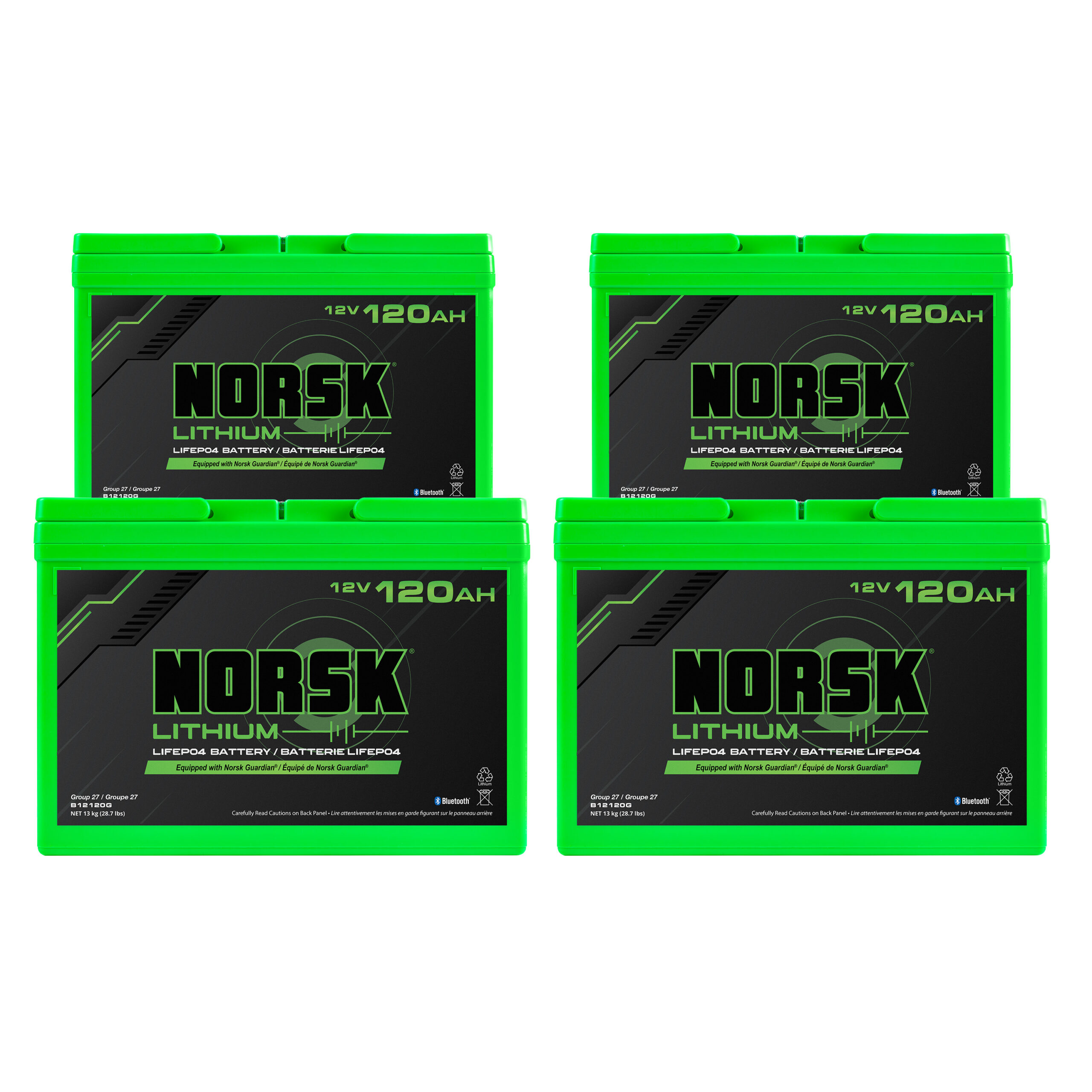
240Ah to 480Ah of scalable 12V lithium RV power for longer trips, inverter loads, solar charging, and serious boondocking.
Best Overall Lithium RV Battery Setup for Off-Grid Power
For RV owners who camp away from hookups, run a fridge, lights, fans, water pump, electronics, and occasional inverter loads, the strongest lithium RV battery setup combines the right amp-hour capacity with properly matched shore-power charging, solar charging, or alternator charging support.
| RV Use | Recommended Setup | Best For |
|---|---|---|
| Weekend 12V Power | 12V 120Ah LiFePO4 RV Battery | Lights, refrigerator, water pump, fans, electronics, and everyday house loads. |
| Simple Lithium Upgrade | 120Ah Essential RV Pro Power Package | A matched battery and charging package for clean campground or weekend use. |
| Extended Off-Grid | 240Ah Extended RV Power Package | Longer trips, higher daily amp-hour use, solar charging, and more reserve capacity. |
| Boondocking | 480Ah Off Grid Power Package | Maximum reserve capacity for inverter loads, extended camping, and time away from hookups. |
Final lithium RV battery sizing should confirm daily amp-hour use, inverter draw, charging source, available battery space, and how many days you want to camp between charging cycles.
Off-Grid RV Power
More Usable Runtime. Less Weight. Better Control.
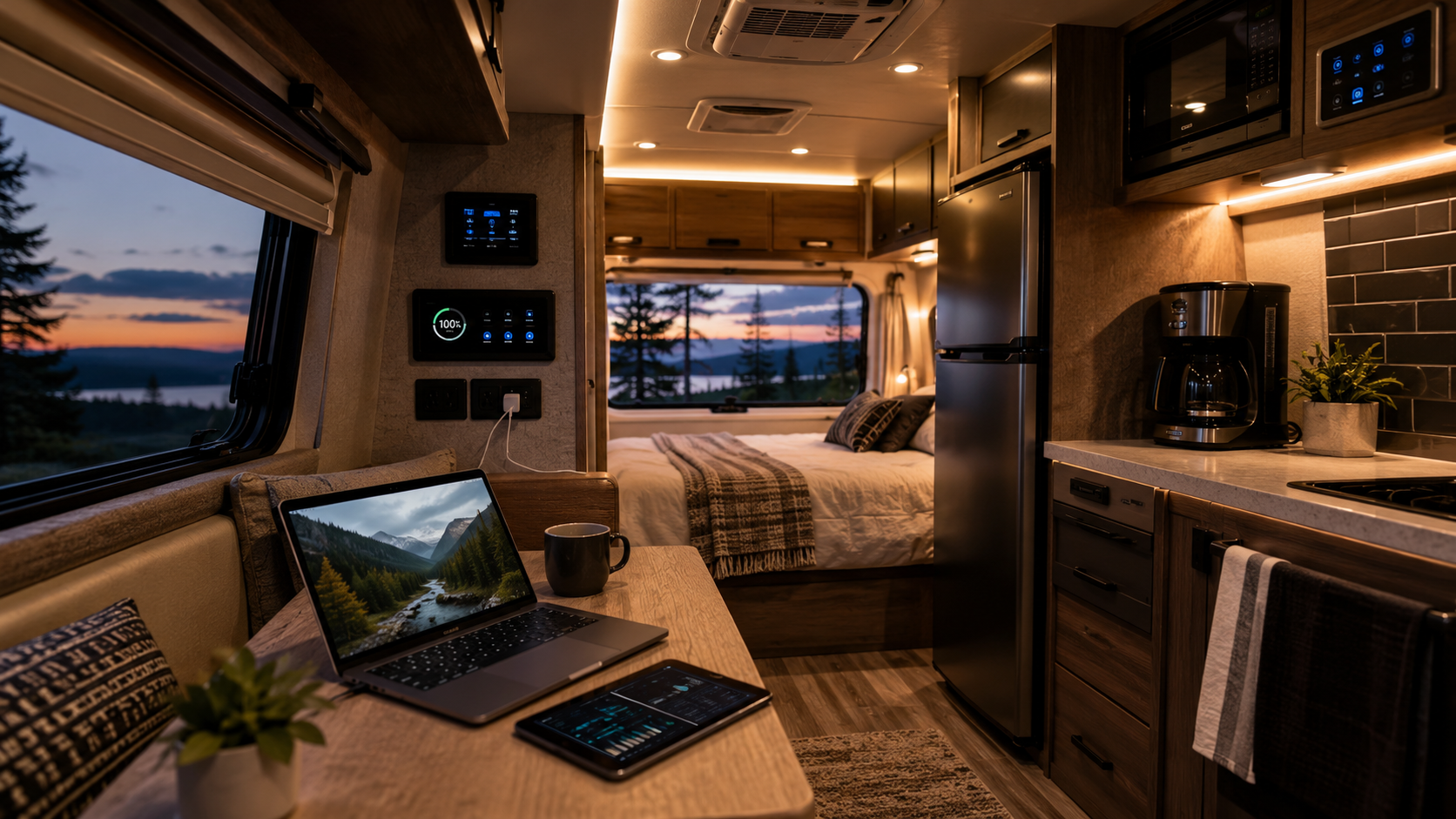
Replace lead-acid limitations with quiet lithium RV battery power for refrigerators, lights, fans, electronics, inverter outlets, solar charging, and extended off-grid camping.
Key Features to Look For in a Lithium RV Battery
Usable Capacity + Stable Voltage
Lithium delivers full rated capacity with stable voltage under load, helping RV owners run lights, fridges, fans, pumps, and inverter loads longer than traditional lead-acid systems.
Norsk Guardian® App Monitoring
Bluetooth® monitoring gives RV owners real-time visibility into state of charge, voltage, amp draw, remaining runtime, battery status, and system health. Learn More ›
Deep Sleep™ Storage Protection
RVs often sit between trips or during the off-season. Deep Sleep™ helps reduce phantom current draw and protects stored energy until your next adventure. Learn More ›
BCI-Compliant Fit + Clean Installation
BCI-compliant cases help make the lithium upgrade simple by fitting common battery compartments without oversized trays or custom installs.
Solar, Shore Power + Alternator Charging
The best lithium RV battery setup should match your charging sources, including shore-power chargers, solar charge controllers, and DC-to-DC alternator charging where applicable.
Inverter Load Planning
Inverter loads can drain batteries faster than basic 12V accessories. Size your battery bank around watts, runtime, inverter efficiency, and how often you can recharge.
RV Lithium Battery FAQ
What is the best lithium RV battery setup?
The best lithium RV battery setup depends on how you camp. A 12V 120Ah battery is a strong starting point for weekend RV house power, a 240Ah package is better for extended off-grid camping, and a 480Ah package is best for boondocking, larger inverter loads, and longer trips away from hookups.
How much lithium battery capacity do I need for an RV?
A simple weekend camper may be comfortable with 120Ah. Longer off-grid trips, larger refrigerators, more electronics, CPAP machines, and inverter loads usually benefit from 240Ah or 480Ah of lithium capacity.
Can a lithium RV battery power my refrigerator and lights?
Yes. A 12V LiFePO4 RV battery is designed for house loads such as LED lighting, refrigerators, water pumps, fans, electronics, control systems, and other onboard accessories.
Can I replace a lead-acid RV battery with lithium?
In many RVs, yes, but you should confirm battery size, charger compatibility, wiring, fusing, alternator charging, and solar charge controller settings before switching from lead-acid to lithium.
Do I need a special charger for a lithium RV battery?
A lithium-compatible charger is recommended. A properly matched shore-power charger, solar charge controller, or DC-to-DC charger helps the battery reach full charge and supports long-term LiFePO4 performance.
How long will a lithium RV battery last off-grid?
Runtime depends on battery capacity, refrigerator draw, fan use, lighting, electronics, inverter loads, solar input, temperature, and how deeply you discharge the system. Estimate daily amp-hour use first, then size the battery bank around your trip length.
Are lithium batteries better than lead-acid batteries for RVs?
Lithium batteries usually provide more usable capacity, lower weight, faster charging, stable voltage, app-based monitoring on supported models, and longer service life compared with traditional lead-acid RV batteries.

Need help choosing?
HAVE MORE QUESTIONS?
Ask Odin for help finding the right Norsk Lithium RV setup.
Build Your Lithium RV Battery System
Explore Norsk Lithium RV batteries and power packages built for campers, travel trailers, vanlife, overlanding, inverter loads, solar charging, and extended off-grid adventures.
Find Your PowerSuperior Lithium Power™ for RVs, campers, vanlife, boondocking, and off-grid setups.

How to Choose the Right Lithium Camper Battery
Start with your daily loads, decide how long you want to camp off-grid, then match your capacity and charging system to the way you travel.
Explore RV Power →